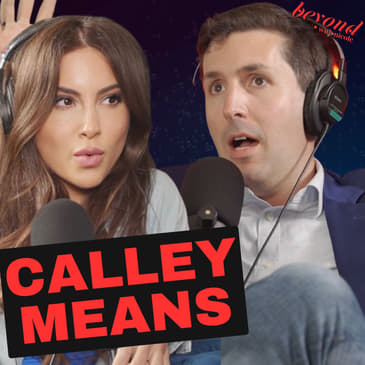
Calley Means discusses the influence of big pharma and food companies on the healthcare industry, emphasizing the financial incentives that drive the industry and impact the quality of care and research. Calley highlights the interconnectedness of health issues like obesity, mental health, and chronic diseases, influenced by factors such as processed food and pharmaceutical drugs. He criticizes the lack of curiosity and media coverage on these issues and calls for a shift in focus towards preventive measures and addressing root causes.
Discover the intricate links between obesity, diabetes, and mental health—shaped by processed foods and pharmaceuticals. Calley critiques the media's apathy, advocating for preventive, root-cause-focused shifts. Explore the links between cancer and seed oils, the ozempic epidemic, America’s obesity problem, and the lifestyle choices that lead to depression and other illnesses in this eye-opening episode.
Key Takeaways:
The healthcare industry is driven by financial incentives, which prioritize profit over patient health.
Pharmaceutical companies heavily influence medical research and guidelines through funding.
Nutrition research is influenced by food companies, which spend significantly more on research than the NIH.
Obesity is a representation of underlying metabolic dysfunction.
The current approach to healthcare focuses on managing symptoms rather than addressing root causes.
Hashtags
#health #medicine #homeopathic #vaccines #fitness #bigpharma #cocacola #cancer #carcinogens #seedoils #foodpyramid #diabetes #obesity #ozempic #functionalmedicine #lifestyle #glutenfree #depression #antidepressant #ssri
[00:00:00] I talked recently to, off the record, to an obesity doctor at Harvard and she said, if I could snap my fingers, I would cure obesity. 80% of medical schools, even to this day, doctors graduate without being required to take one nutrition class.
[00:00:14] There's been 50,000 nutrition studies in the last two years, almost overwhelming funded by food companies. The only goal is to confuse people. Yeah, I think the most powerful thing you can do is ask questions and get curious about yourself. And then, take responsibility.
[00:00:35] Calley means you are the guy when it comes to understanding what the healthcare industry is doing, big pharma incentives that are in place politically, how the money is used, what happens when corporations use marketing tactics to confuse consumers, the list goes on.
[00:01:03] So, I want to start with your background because you're very qualified to talk about all of this stuff, but you've had quite the journey. Yeah, I started, I grew up in Washington, D.C. and I was just the typical young Republican.
[00:01:20] On the straight and narrow, I worked at the Heritage Foundation, which is the big think tank. I worked for President Bush. I went to Stanford and was the kind of tool, the conservative just saying the right things. I was defending big American corporations, pharma and the healthcare industry,
[00:01:35] and when I worked in politics and then inevitably found myself sitting across the table from the two biggest vendors in D.C., food and pharma. And didn't think much of it. I mean, this is just what you do. If you're interested in public affairs, public policy,
[00:01:49] and you're done with the campaigns, you're inevitably working for pharma companies. I was on the McCain campaign after college in 2008 and sitting with the folks in the Obama campaign. And in retrospect, this is horrifying, but it just is so normalized.
[00:02:03] But back in 2009, 2010, 2011, opioids, it was a big debate. Opioids were coming on the scene and the task was normalizing and making sure there weren't restrictions on opioids. So as a junior person, I was given a list of professors and contacted professors
[00:02:21] and created a donation strategy, tens of millions of dollars from the opioid makers to give to professors at leading universities. And in 2011, this kind of explains how the sausage is made and how that money actually impacts what happens.
[00:02:39] The NIH put together a blue ribbon panel to create guidelines on opioids and there was some more scrutiny. And the dean of Stanford Med School at the time, Philip Pisa, was put on the board and he picked it.
[00:02:52] So when you have the NIH or FDA do drug guidelines, drug approvals even, it's not bureaucrats there usually. It's usually a blue ribbon panel. And who better than the dean of Stanford Med School and the folks he's appointed?
[00:03:03] 95% of the people he appointed were paid for by our donation strategy, either direct consulting payments or research grants, which is the life of their insurance. So what does that mean if they're paid for it? They receive direct contributions from opioid makers.
[00:03:18] And then how does that affect the job that they do? Well, you've got to ask yourself that. So they say, well, obviously these consulting payments or the millions of dollars, the dean of Stanford Med School that I mentioned was a pain specialist.
[00:03:33] And he, the year before, received a $3 million grant to do research, which is the life of the industry. And him and many others received direct, just contributions consulting arrangements. So you just have to ask yourself when you're looking at that study and it says,
[00:03:49] the financial contributions don't impact our judgment or when you're just a human being who has two homes and a couple of kids going to private school, when you ask whether they're, what pays their bills, they're consulting arrangements, when you ask whether that doesn't decide what research or
[00:04:05] what their potential findings are, where they decide to focus. When you can design a peer reviewed study to really say anything, I feel like you're really asking the American people to just suspend disbelief. I mean, pharmaceutical companies are the lifeblood or
[00:04:17] the bulk of scientific funding in the United States. And then when it comes to nutrition research and the other industry obviously will talk about as food, food companies spend 11 times more on nutrition research than the NIH. So just foundation, I think you hit on an important point.
[00:04:31] It's like, are these companies spending billions of dollars? Let's just take the universities and direct funding of scientific research because large food companies and pharmaceutical companies are interested in unbiased scholarship. No, so that's able to buy off, back then it's the opioids.
[00:04:50] 95% of the folks had received a direct contribution from an opioid maker. They ended up having very relaxed guidelines and now with the opioid crisis, over 90% of people that die of an overdose from illicit heroin started with illegal prescription. So the opioid crisis really the root of it,
[00:05:09] the trunk of it is legal prescriptions of opioids and then people go out and have to buy it illicitly when that's cut off. And then today you can get into Ozympic and what's gonna be probably the most successful drug in American history.
[00:05:22] But the approvals of fast tracking Ozympics, it's on track to be approved for kids after just a 68 week study. So 68 weeks is gonna be a lifetime treatment for kids. All the folks at the FDA and these panels that are fast tracking that
[00:05:35] are obesity researchers that are almost universally on the payroll, literally getting direct payments from the drug makers. So that was kind of the job. It's like who are the key decision makers that pull the levers of power and how can we get money to them?
[00:05:51] Okay, I wanna start with obesity because it is rampant. Sure. And we have the drug companies that are funding research that we can't really rely on. And then we have the nutrition funding from the food companies.
[00:06:12] So can you paint a picture for us of how this all works and how we're basically being fooled or confused by the language and the marketing tactics and all of this because we know we're not healthy. And the American people are fully aware of what's going on,
[00:06:33] yet we're being incentivized to what lean on big pharma and get prescriptions for Osempic instead of actually working on our health. And it's not just obesity, look at mental health. I think this is the most depressed and anxious I've ever seen people be.
[00:06:51] So let's start with obesity and then I wanna move over to the mental health stuff too. Definitely wanna talk about mental health but let's start the highest level. Because the key point is that obesity, it's actually incorrect to isolate that as
[00:07:08] really even the problem in and of itself. Obesity is a representation of something larger happening. So right now, let's take mental health, let's take obesity, let's take skyrocketing diabetes, let's take heart disease, let's take the fact that autoimmune diseases are exploding.
[00:07:20] Let's take the fact that 20% of teens now have fatty liver disease, allergies. Everything that's going up, rates of cancer are exploding. So everything is going up at the same time. And I think obesity is representative of really the biggest lie right now.
[00:07:35] I think in the world, which is that all these things are isolated silos. So my sister was a physician has had a big impact on me and she graduated from Stanford Med School. She had to choose between one of 42 specialties.
[00:07:47] So doctors have to when they're graduating, when they're 25 on average, have to choose one specialty to vote the rest of their life. Dude, that's how medicine has been constructed through some bad incentives. And she chose head and neck, so she was about three square inches of the body.
[00:08:02] And then once you're done with that, you do a fellowship. So her attending did a fellowship and he was responsible for one millimeter of the face. And that's where he focuses his entire life. And that's how you rise up in medicine and we siloed, if you have depression,
[00:08:19] obesity, heart disease, diabetes, which a lot of people do. A lot of folks are on all these pills and on this tremor. You're going to five different doctors. So the key goal of medicine in the past 50 years is after World War II,
[00:08:35] we had these miracles, we had acute issues, we had childbirth was very complicated, we created surgical procedures, antibiotics that would kill you right away. We created solves or things that would kill you right away and we took that trust and were like how can we create recurring revenue?
[00:08:48] We can silo diseases in different states and give people's pills to manage conditions for life. So what's happening and what I think is really important about this obesity situation is that the obesity represents the underlying metabolic function that's driving everything. And working with pharma companies, it's really,
[00:09:08] really a targeted strategy to aggressively isolate different conditions and make the American people think, literally the American Diabetes Association said if you take your diabetes medication, you do not need to worry about what you eat. So- That was said?
[00:09:26] There was said by the American Diabetes Association, they took that back in 2018. But like that, let's just take that right and this all ties to obesity but I think the point is it's all multifaceted.
[00:09:36] So I working for Coke early on, we directed money to the American Diabetes Association. They take millions of dollars from Coke. They're a majority funded by pharma that makes money as more people get diabetes. So they have publicly said until 2018,
[00:09:52] their standard of care, these folks set the guidelines for diabetes doctors in the United States. You can be reprimanded if you go against them. They have said that as long as you take your drugs, you can eat whatever you want but think about that.
[00:10:04] You take your metformin that lowers your blood glucose slightly. You're feeding your body with processed inflammatory food basically told to be sedentary, it doesn't matter. Your cells, it's just common sense. Your cells are malfunctioning and your body is being fueled by crap that will
[00:10:22] lead to other issues which is why 98% of people with diabetes have at least two other conditions. Right? It's the underpinning, it's all connected but literally a doctor from Harvard, ones I talked to can't even articulate how diabetes is related, how blood sugar is regulated. They don't know.
[00:10:38] A doctor from Harvard cannot articulate this to anyone? No, my sister, Gacy Means, who's also on the war path here, was the star of the family. I was doing politics but she was top of her class at Stanford.
[00:10:55] At graduation my mom was like, I didn't know there were all these awards ceremonies and then she went to med school at Stanford and was top of her class and was ahead of next surgeon crushing it. 13 years of training and she had an out-of-body experience. Again, good credentials.
[00:11:12] That's a whole other story about our family trauma probably trying to just rise up the ladder and that was kind of the track we were on. What niches can we get on the ladder? But she had this out-of-body experience where she was doing surgery.
[00:11:26] So had a neck, so sinus inflammation all day. She was doing three a day and she looked down at the patient incapacitated underneath. She was cutting it literally up in their sinuses and surgically taking out the signs of inflammation. It was so bad.
[00:11:39] She realized that patient had been under a knife six months before. And then she realized she had no idea why that inflammation is occurring and she had done 500 surgeries on that. So never even thought to ask. Why is this happening? What is causing inflammation?
[00:11:56] And every surgery she was doing was somehow tied to inflammation. And then she pulled it back a little more and Stanford Med School, more than 50% of their funding, comes from pharma in some way. From research grants, it somehow touches pharma.
[00:12:11] And at 80% of medical schools, even to this day, doctors graduate without being required to take one nutrition class. From Harvard, Stanford on down. So there's no evil people here but absolutely you have a standard doctor and endocrinologist whose diabetes from Harvard or Stanford does not
[00:12:33] understand the interconnectivity of how diabetes literally just as an arbitrary marker of blood sugar dysregulation, 93% of the country's metabolic dysfunctional has some bad biomarker for that. And truly the underpinning of a lot of other conditions. The biggest lie that we have been systematically told is that the reason
[00:12:50] we're getting sick or fat or more depressed, more infertile all at the same time, everything going up all at once are different things. And we've also been told that it's complicated. The goal of companies is to over complicate the issue.
[00:13:05] There's been 50,000 nutrition studies in the last two years, almost overwhelming funded by food companies. The only goal is to confuse people. You know what's crazy? I had no idea. I mean, I guess it makes sense. We send articles to each other a lot.
[00:13:19] I had no idea that people were looking into studies this much. But I guess you're right, the study comes out. The article gets published. So there's also the role of media in this. But what fascinates me and what gives me hope here?
[00:13:37] One, there's people like you that are out there. There's also functional medicine doctors and people like Carnivore MD who questions everything. And it's sort of waking people up. And because we do have social media and we do have Instagram reels and
[00:13:55] TikTok and all of that, the word is getting out there. And I feel like we're in a different era because of that. Two, I feel like politically, and I know we're divided in a way that we haven't seen in years. But it's been this way for a while.
[00:14:12] We are so divided that these issues are starting to come up. And not in the best way because of course people are just fighting over body positivity and all of this bullshit, which if you just peel back the political layers for one second, you'll realize we all care
[00:14:32] about the same thing. Being healthy and happy. Being healthy and happy. Those are things everybody on either side wants. So it's like, okay, if you just peel back the political bullshit, let's figure out what the issue is. Let's pay attention to that. We're in this fight together.
[00:14:47] It's not a partisan issue. It's just so simple in a way. But if you just look at the economy, everyone talks about the economy. That's the most important issue according to the polls. It's like what is the economy?
[00:15:02] The atomic inputs, the basic inputs of the economy are people. And you systematically have a bunch of people in this economy in America that are just not feeling good. They're just really like, we're almost like through a public policy or making them feel shitty.
[00:15:19] If you are eating crappy food and sedentary and get low sunlight, and have constant chronic stress triggers, which we almost designed to attack kids and ourselves and have dysregulated sleep, we're sleeping two hours less than we did 100 years ago. And our society is almost designed for that.
[00:15:37] It's just like, you're not going to be at your best. And it's almost like this bizarre public policy we have to almost incentivize the inputs that lead to unhappy, inevitably people that aren't at their most productive, at their most best. It's like the most important issue.
[00:15:55] And it's actually kind of simple in a way to me. The cause is simple. Like we're the only animal in the world that has systematic obesity, that has systematic depression. Like they do these tests, like a wolf in the wild.
[00:16:09] They have a way, they think, to do tests of depression among animals, like has almost zero rate of depression, has a 1% cancer rate and has a 1% obesity rate. A dog we've domesticated has a 70% depression rate. Dogs are chronically depressed. And then 50% obesity rate, 50% cancer rate.
[00:16:28] So it's like when you put an animal in a sedentary environment, give them shitty processed food, lack... It's like what we're basically doing to kids and ourselves, it's just like this is what happens. And it is new.
[00:16:40] So yeah, I think it's the most important issue in the world. I think to your point, there is a very helpful message. Like I think like pace of change is happening right now so fast, I don't think we understand where we are on this exponential curve
[00:16:57] of how much shit is happening. I mean obviously if you look at life expect, it's like and then it's been doubled in the past 100 years. Again, I think that's largely from acute antibiotics and some sanitary measures and some emergency surgical procedures that happened before 1960.
[00:17:12] But like if you look at the past 100 years, like we've done a lot of great things. We've lost our way. It's created the largest industry in the country, healthcare and it's been totally co-opted based on incentive measures that make more money when more people are sick,
[00:17:24] which is what's gonna happen if those are the incentives for the country's largest industry. But it's like in a way, it's like I think what's led our system to like this great progress when you zoom out a little bit is happening now,
[00:17:34] which is that this isn't happening in China where people are having like the conversations you're enabling and that's happening on Twitter right now with the world's richest person basically just opening the floodgates and letting people be adults and actually just like get to the truth.
[00:17:50] Yeah, and not shutting down curiosity and conversation. And it also increases tolerance. I think that's a huge problem that people are not tolerant. They're quick to react. They're not incentivized to listen. They just take one sound bite and they boom, they attack because they've been programmed
[00:18:11] to react to certain triggers. You know what I mean? The issues that we've been programmed to react to are all political. You know who does a really good job explaining the way everything has been working the past few years? I haven't finished his book, but Tim Urban.
[00:18:33] Oh, he's amazing. He's amazing. He is so good at explaining how the world works and breaking it down that, you know, I mean, I highly recommend his book. Oh, it's incredible. I've started it, yeah. And let's sit alive as podcasts. Yeah. And so it's people like this
[00:18:52] and he's one of Elon's favorite writers to Elon brought him into Tesla to talk to his employees. And like, I think that's pretty incredible because he's not telling people what to think. He's teaching them how to think. And that's really important.
[00:19:12] Yeah, not to get too high on this soapbox here or sound like it's a political speech, but it's like the foundation of our system is like that if you kind of get ordinary people and give them free speech and allow them to,
[00:19:27] like not have somebody arbiter what truth is that have them kind of figured out, that works really well. I mean, I think that was one of the best, it was a radical idea and it's like an idea only past couple hundred years.
[00:19:39] And I just think, you know, it's not inevitable like this ability to really have like radical free speech and have public squares where people are able like for all of human history that's been like totally like pushed against.
[00:19:52] And like, you know, I think what we have right now is a corporate co-option of basically taken over through money like the hall monitors and created this Orwellian world where like you're, you know, well-meaning people on the coast are convinced that they're supporting like black people by saying
[00:20:13] that they shouldn't have police in their communities or like, you know, supporting, you know, kids by, you know, not questioning pharmaceutical companies at all. Or it's just these Orwellian little boxes where it's like literally like we are like shamed. Parents are shamed in this country
[00:20:31] for like literally asking a question about like a pharmaceutical product or something. It's just like, it's getting people in these boxes almost like arguing against their interests. And then the mechanisms of like media and government and like frankly universities, frankly organizations that are paid, you know, buy industries
[00:20:53] to enforce their agenda are like monitoring this conversation that's unequivocally like hurting us. Like we're not getting healthier in the terms of health. Like how is the, like how are universities and the media like enforcing like a pharmaceutical agenda with what the stats of what's happening now
[00:21:11] with 30% of kids getting pre-diabetes right now and 20% having fatty liver. With life expectancy actually going down for the most sustained period well before COVID since 1860. It's like we have like all of these like completely failed system right now and this effort to kind of silence.
[00:21:28] So yeah, I mean, I think I've said this but podcasts and what you're doing and what's happening on Twitter and what the world's richest person is doing and these lights are sparking I think some courage among people.
[00:21:42] And the one thing I just maybe push on a little bit is like, I don't know if like the average American is quick to like, I think the average American does like know what's going on. Like I think they have a sense that like something is wrong
[00:21:54] and I think, you know, when we talk about how everyone's so hyper partisan, hyper quick I think that's almost like a narrative that's promoted by special interests like the body positivity thing it recently came out that Nestle and other processed food companies were paying millions of dollars
[00:22:13] to body positivity influencers on TikTok who were ranting anyone who talked about metabolic health or obesity calling them racist. So you actually had this like, you know you've had this big movement where there's been viral TikToks for people saying it's actually racist cause people of color
[00:22:33] are disproportionately obese to weigh a patient at the doctor's office and it's racist to talk about weight now and it's healthy in any size and that money is tied to literally those influence are being funded by food companies. So just like with Coke 10 years ago
[00:22:49] I've talked about how we paid Coke paid in the NAACP and the Hispanic Federation the two largest civil rights groups that have done great work throughout American history they accepted millions of dollars from Coke and literally said, you know from the top of those organizations
[00:23:05] that not government funding Coke on food stamps that literally stopping the funding of diabetes water from the government on a nutrition program for low income folks that stopping that would be racist. So this like, this the best so I kind of feel like the environment we're in
[00:23:23] where it's like seems like so high risk and everyone's on a hair trigger you know and that you're gonna be called racist or sexist or whatever you know for even like trying to actually ask a question to help you know lower income kids
[00:23:35] it's like I think that's actually like from the top down to much greater than we do. Yeah. I think the most powerful thing you can do is ask questions and get curious about yourself and then take responsibility. I mean we talked about this earlier
[00:23:53] but a lot of people don't realize how they're being indoctrinated to react to a system that profits these organizations and big pharma and these big you know the big corporations that are funding all of these studies and I think part of it is laziness
[00:24:17] and I'll tell you why I say that because I okay I grew up in a household where my mom I wasn't allowed to we weren't allowed to have seed oils since I was like 10. Oh. Because my mom was obsessed with a guy
[00:24:33] who she would always get advice from named Ray Pete. Okay. I don't know if you ever heard of him but yeah do you know the account Carnivore Aurelius? Of course. So all of his stuff stems from this guy Ray Pete. He was the guy that my mom
[00:24:51] would like follow all of his stuff so she knew no seed oils in the house only cooked with coconut oil, butter, beef tallow that was it and I always saw my mom was a little crazy I'm like this is a little much. Right. And then it became popular
[00:25:05] and I was like whoa you were right but my other friends because if I ever felt depressed she'd be like go take a walk I'm not taking you to doctor right now but I've had friends over the years who look a lot of people are depressed
[00:25:21] a lot of people feel anxious it's a very common feeling it's a very common reaction to life but I would talk to them about like how they're handling it and I can't even tell you one time I actually will find the prescription in my phone
[00:25:38] and show it to you I'll text it to you but showed me a prescription and it was like same prescription same pad it was like Lexa Pro Adderall, Clonopin Abilify one other thing and I'm like what are you taking all this for
[00:25:57] and she's like no no I need it because this one helps me sleep and this one helps me do this and this one helps with my ADHD and I was just thinking to myself like God I swear if you just change your lifestyle
[00:26:08] you probably wouldn't need most of this you probably wouldn't need most of this So much jump back there I think you're hitting on that story with a question I think a lot of people are struggling with it's like this clearly isn't a great treadmill we're on
[00:26:26] right it's like it's clearly like something's off there it's like all those prescriptions you mentioned the second you go off any of those drugs the problem is coming back and I questioned whether some of those drugs even helped the problem to begin with there's some questionable research
[00:26:41] you're on this treadmill where it's like obviously just the incentives are fucked because you know you're a psychologist you need to continue to go back to them it gives revenue to the hospital it gives revenue to the drug makers and then you'd never the other metabolic issues
[00:26:56] stands or whatever drug for chronic conditions you have to go back to cardiologists you have to go back to the endocrinologist it's like it's a really broken incentive structure and obviously patients aren't getting better those folks aren't going to get better
[00:27:08] until they learn to like look at the sunlight manage their stress you know these things we don't teach kids to do meditate run I mean it is absolutely astounding both the research and just all of our experience with just like we're animals like moving your body
[00:27:24] if you keep an animal in a cage and they're sedentary and they eat shit they're gonna go crazy immediately solitary confinement is a punishment so my one question interesting is that it's like who's culpable and what are the motivations here
[00:27:38] and it's like I go back and forth on this because I think we really do have like people trapped in a tough system and I really don't they're not evil we all know doctors we all know folks that work at food companies work at pharma companies
[00:27:52] I do put a little bit more than most on people in the system you know one interesting statistic is doctors have the highest rate of suicide of any profession in the country why is that well I don't think it's because they're working hard I mean there's missionaries
[00:28:06] you know out there you know working working more hours than doctors who aren't systematically committing suicide in order of magnitude bigger and a bigger rate than other industries I think you have an interesting dynamic where doctors do know that there's something really wrong
[00:28:19] and they're actually I believe actively doing harm they know that their patients are getting better I think the reason there's such a high suicide rate is because the New York Times actually did an article about this and basically hit on this they likened what doctors are facing
[00:28:33] to soldiers who get in the army for the right reasons and then end up being forced by their superiors to commit war crimes there's actually a psychological condition that lead them but those soldiers have high rates of suicide because it's this idea that
[00:28:47] they're getting in the game for the right reasons I mean being a doctor is really hard I mean it's kind of this tragic situation where the United States is like this beacon for literally the smartest people in the world to come here and study to be doctors
[00:29:00] and in medicine and there's easier ways to make money than going through the residency and on the grueling process so these are mission driven people but inevitably right you get into a situation where nobody's getting better and you're just on this treadmill and prescribing things
[00:29:13] and then your financial incentives you know are not have a kid you know be metabolically healthy and go outside and exercise because that kid's not gonna be in the office I talked recently to off the record to an obesity doctor at Harvard
[00:29:27] and she said if I could snap my fingers I would cure obesity I did not get into this game you know to profit from kids being obese but the fact that the matter is that we just built a large new obesity clinic
[00:29:40] I helped hire 20 new doctors for this center there's loans for this for this center and they're underwritten by assumptions of increased patients and if people stop getting obese and the trend lines don't keep going up we're gonna have to fire the team the building will go you know
[00:29:59] the loan will default uh... you know you every city in the country has a gleaming new pediatric center you know the largest buildings the most beautiful building so you just you just get in this treadmill and i think
[00:30:11] it's all plausible deniability for everyone in the system like all on helping obese people and you know i'm at this new twenty floor pediatric cardiology center you know i'm helping kids who have it but but but but they have plausible liability are asking why it's all happening
[00:30:28] uh... and i do you know who who's gonna stand up uh... you really have just this moral crisis where uh... it would destroy the whole city would it would short term destroy the economy i mean health care is the largest industry in the country
[00:30:40] uh... it would be very strong it would destroy the economy if we short term if we became healthier as it was yeah i mean it's a it's the largest and fastest growing into the country i mean you you have you have jb morgan issuing a report uh...
[00:30:55] it's so funny they should report and they are just absolutely gleeful about ozzympic being the most uh... prescribed drug uh... and most profitable drug in history and the reports and this is this is dollars is this is where people put the money
[00:31:08] it has in we all say oh ozzympic if it's prescribed widely is going to lower obesity for the next ten years twenty years in the financial models it has a busy going up why is that why are the people actually putting billions of dollars in line
[00:31:21] actually projecting that obesity is only gonna go up why are they because there's never been a chronic disease pharmaceutical product in american history that has lowered the condition that it's supposed to treat uh... the more stands that have been prescribed more heart disease goes up
[00:31:37] the more ssr eyes that are prescribed more depression suicide goes up the more metformin's prescribed uh... the more diabetes goes up we spend uh... ten ten percent of your growth in cancer spending two hundred fifty billion dollars in cancer care cancer rates are exploding
[00:31:51] uh... every disease we spend money on actually goes up you can make this up right but like like think about it like statins came on the scene you know twenty plus you know widely prescribed widely recommended heart disease is only exploded it's only exploded
[00:32:09] the reason is we have a moral hazard that's obvious but but but nobody medicine understands this we have a moral hazard it just goes back to what we talked about the beginning that if you are given a zipping uh...
[00:32:20] and i had just to be clear where in the where in the belly of the beast here in l a and and how we are sure we both have friends you know it was a guy i really i really have no prior i'm a libertarian like i think
[00:32:31] drugs you know like give the people information use them i have no problem with people paying out of pocket that you've you've seen i even interviewed at doctor who prescribes uh... zempic freely
[00:32:42] yeah and i really don't have a prior his patients are paying out of pocket for the most part it's okay i think it's i personally think the researchers it's not gonna be a thing in five years because there's very alarming things on um...
[00:32:55] on cancer there's alarming things on destroying muscle mass there's um... obviously go off if you gain the weight back you know the risks are who are too high for a zempic to last well i think just any any common sense person is seeing this miracle drug
[00:33:08] like a there's there's never the miracle pill and and um... i think it's on the merits on the merits there's a little host of unsurprising me concerning things i mean the other thing that's coming out is your heart rate your average heart rate uh... is ten
[00:33:23] uh... beats higher minute on it uh... peter t is just been talking about that uh... the muscle mass things a huge deal uh... muscle is the glucose sponge we talk about blood sugar um... you know having uh... muscle is is really a important
[00:33:39] uh... and it seems to disproportionately actually technically make many people fatter because your percentage of body fat to muscle actually goes up it's actually depletes depletes your muscle not not not not necessarily even just because you're not exercising kind of
[00:33:54] kind of lethargic it's actually there might be some mechanism that hurt muscle mass there's actually there's a black box warning on cancer um... so you know this miracle drug you have to stand forever for uh... the rest of your life according to instructions
[00:34:08] uh... that basically essentially in this is this is a little flippant but literally what it's essentially like medicalized bulimia that kind of makes you um... detest food um... you know which which which it has to have some other metabolic impacts in the metabolic you know mechanisms there um...
[00:34:26] we don't even fully understand so so so yeah on the merits i i i actually think it's gonna be a flash the pan that's my opinion but but taking that aside even if the drug works really well the core societal question there and that
[00:34:40] the lesson we're not learning is is is is that in the u.s.. when something is established as a disease there's no regulation you can do of doctors prescribing that it's like that you know i don't know if you're affordable care act
[00:34:56] there was like even at small ten to play the government getting in in and on what doctors can do it's like all obama's obama's getting involved doctor obama we can have government telling doctors what to do so so there's a wall there
[00:35:08] so the second it's approved for government funding that's the biggest funder of medicine you doctors have free range to prescribe to eighty percent american people and get government funding for that and then also in u.s.. law where they only country in the world where you
[00:35:21] uh... the government the largest buyer of medicine can't negotiate so that's why costs are going up so much they cannot negotiate no so in any industry so so so medicine uh... costs are going up right two times gdp is the fastest growing industry in the country and the
[00:35:35] largest and quality is getting worse in any industry right more volume innovation is is lower cost better quality the exact opposite happening health care we're spending more than any other industry in a growth rate and result of getting worse i mean diseases are skyrocketing life
[00:35:50] expected is going down so this you actually the government does not have the ability to lower the price when when a pharmaceutical drug goes widely the prices and go down that that doesn't happen that's never happened ever
[00:36:03] it can happen there's no negotiating power from the government which that's prices that's by law so the second this is approved it's the widest patient population of any drug in history eighty percent americans are a visa away and that's who the indicators for
[00:36:18] it can be prescribed to overweight folks it they just have to test that one intervention failed they can literally say that their dieting didn't work and then it's legally available for them for government funding which is going to be eight thousand ten thousand dollars per patient per year
[00:36:32] so at the at the minimum so so the so like that that's the problem and then let's let's just take like let's just take a hypothetical twelve-year-old because it's being pushed it's being pushed to be prescribed at forty five percent of twelve-year-olds
[00:36:45] is forty five percent of them are over weight or beast so and and let's like the second that green light is on it's it is going to be a all out assault to get this into the arms shot in the arms of
[00:36:58] you know fifty percent of u-s children uh... so that mean that just demonstrably is obviously what's gonna happen like there's no signs anyone would show restraint there and and there's already this moral kind of p r push on sixty minutes on down that this is like
[00:37:13] a moral imperative almost to give to people that are overweight so the second that happens right you put this in and you literally are telling so this is literally what the doctors are saying so on sixty minutes and we all we all see that steamer stanford
[00:37:26] she's she literally says throw will power the window food exercise throw it out the window uh... this children are explicitly being told that food in their choice as a matter they're not pairing this with dietary guidance so you're gonna have
[00:37:40] epidemic like a low-income child they're gonna get medicaid funded ozampic and no help to eat better and no guide you know what though i feel like we are very fortunate both of us uh... and we i feel like you know the people that were around
[00:38:00] are very you know they're successful their wealthy they can afford these things they can afford to take care of themselves ways that people in lower income households cannot and that's the problem because the general population i mean
[00:38:19] what can they afford forget just forget just financially what can they afford time-wise can these parents or the single moms afford to you know take walks with their kids are or you know afford to pay for karate classes or whatever it is it's like i mean
[00:38:38] you have to factor that into even when i buy like cage free free range eggs that are organic it's like it's eight dollars versus like the four dollar one you know it's yeah a couple a couple
[00:38:51] couple pushes on that okay so one is in i i i don't think moms are systematically trying to kill their kids even lower income but that's what's happening right um... so i do think if mom for told that are lower income that is an existential
[00:39:05] priority to take more walks with your kids your kid if they have pre-died bees which thirty percent of teens do is is gonna uh... almost certainly die six years younger have a three hundred percent uh... higher rate of committing suicide and being depressed um... and you know
[00:39:22] statistics on down like we're not even telling people that like right now the u s d a nutrition guidelines uh... which are as we talked about at the beginning ninety five percent of the folks on the nutrition guideline committee are paid for by food and or pharma
[00:39:37] they literally say a two-year-old should have ten percent sugar of their entire added sugar added sugar into their diet is that is okay according to the government a two-year-old which is a far saying ten percent because it's a highly addictive drug
[00:39:49] by all definitions if you do a brain scan the don't mean is the exact same areas the brain of taking another illicit drug so that is what the government is recommending so i do think there's a top down the bottoms up um...
[00:40:03] i i would actually say i don't blame that single mom like i think we have like a mass like capture of uh... the situation where they as you said have to defer at some points to some experts and i do think if the expert said them like
[00:40:17] try to cut sugar it's a it's a it's a it mean this is the biggest issue like there's no bigger issue that that that the metabolic health of kids that that forty percent of high school seniors qualifies having a mental health disorder
[00:40:29] then that's all tied to the same thing that autoimmune conditions are explained all the statistics we talked about like like if the government was clear and like said we don't recommend sugar out cigarettes for children
[00:40:40] there should be a that it should be no sugar like like you can give it to free country but like that is that should be the aim yet you're recommended to them yeah and then on the money thing that this is more top down uh... i i
[00:40:56] i think this is what i'm this is what i'm on a war path for really and then i i think this is what the twenty year mean we might not be around twenty years but like this is the long-term battle
[00:41:06] the money is there because we're gonna spend ten thousand dollars per patient on ozepic so so so that money's coming from the government so the lower income kid is gonna get like eminently in a couple months when this is approved they're gonna get the
[00:41:19] test that's coming out of taxpayer money ten thousand dollars so my point is in it if you just have like a like a like a screen like an alien comes down and like at what should we do i call these kids are like like completely sick
[00:41:33] um... it's clearly this like root cause situation where we incentivize crappy food for them that's addictive and their you know much less said in much more sedentary than they were and and not sleeping in all these
[00:41:44] we fix those root cause and you solve everything and you improve human capital let's take that ten thousand dollars take two thousand of it they can go by organic food for us the year uh...
[00:41:54] four thousand i mean like a fraction of what we're saying to spend on ozepic so that's this opportunity cost you bring that widely four trillion dollars we spend on health care it's a good what if we slanted it's it's it sounds like fluffy but like
[00:42:07] you would never design a system where ninety five percent of dollars are waiting there after people get sick to not even cure the reason they're sick but manage the condition but everybody my sister did sinus surgery on
[00:42:18] they were back under the knife it was like every single person it's not curing ripping open your face and cutting open the sinus infection and taking out the puss you know that because your infections are so bad doesn't cure anything
[00:42:31] they're coming back and making a lot of money cuz medicare is paying the hospital for that and medicare is totally bought off by pharma because pharma spends five times more lobbying than the oil industry and there are five lobbies for every lawmaker
[00:42:44] uh... and health care is the largest industry in the country and in like twenty first excuse me in in almost fifty percent of u.s states um... the largest employer is a health system for that member of congress so it's like
[00:43:00] it's like that that's right and on the cost it's what our company's kind of what my meeting with a lot of members of congress on and like and our company's trying to change it's like it sounds so simple but like you can literally like slant incentives instead of
[00:43:16] ozipic you know i would just say should be a zephyr food like like should that mom be given ozipic for the kid or should the government say fifty percent of the spending twenty five percent of the spending give them on the card and say
[00:43:30] uh... here is free money but it can only it can you go to these it's like it's like a it's like a prescription it's a good person you should be they could give a card that's able to buy organic food um...
[00:43:42] back at i have nothing against i don't think coach would be banned we should not be funding it though like that yeah like like and then it's like well what what food do you will start with whole food
[00:43:52] start with food that isn't made in a lab like some some people don't even know what processed food really means yeah all the process for this uh... about coming up on seventy percent of our diet um... and uh... it is um... basically anything that's uh... been through
[00:44:09] a factory anything with a label on it really anything with a label where you can see the ingredients that's not that's not that and there's a couple things and we talk about the uh... the unholy trendy of ingredients but that the foundation of
[00:44:21] the american diet if you pick up any food is just astounding what american ingenuity can do with these three ingredients but the three most popular ingredients in our diet are three things that did not exist a hundred years ago
[00:44:33] which are so obviously highly processed sugar so sugar for all human history fructose was in fruit and fruit was pretty rare and fructose there's a couple books about this but it's evolutionarily when you eat fructose which is a key form of sugar
[00:44:49] uh... it shuts down your body's um... feeling of of satiety you want to eat more and they say that was what fruit was kind of weapon because fruit actually makes you fat if you if you eat a bunch of it
[00:45:04] but if you were from almost all human history saw big batch of fruit you were well advised just to eat as much as you can because literally in this case the fasting thing but like the human body you can go
[00:45:16] long period time weeks or even months without eating and humans we think did actually so if you saw you were well advised to stuff so we've actually just in the past hundred years isolated and processed sugar which is a totally essentially new invention
[00:45:32] and now an american is eating a hundred times more sugar than they did a hundred years ago so that is like true and that they're literally taking the right kind of sugar fructose high fructose corn syrup which shuts down your hunger cues and that's what's given the kids
[00:45:43] so when i say weaponized like that's a big part of it like like this is this is a this is a drug then we talked a lot about seed oils you're talking about seed oils
[00:45:53] but you know get let's get out of the research let's get out of this debate there's stuff on twitter it's just for me it's very basic these products are highly processed in the business a hundred years ago
[00:46:04] a product it was actually created by john d roger fellers a byproduct of oil production the like like in today uh... soybean oil is the top source of american calories like it's the it's the most popular item in the most highest calorie source that
[00:46:18] of a single ingredient in the american diet so in a hundred years after millions of years of evolution the top source of our fat one of the top sorts of our calories is is disgusting how these oils are produced it is a is a disgusting artificial
[00:46:32] uh... byproduct how are they produced you you literally i mean it did the these at the canola oil canola seeds or say the these are like almost microscopic seeds that are crushed up and then added with a bunch of chemicals to take the
[00:46:48] to take the oil out uh... and run i mean go google how so canola oil is made uh... literally literally blended and extracted that this little seeds the oil from the seeds with uh... with carcinogens and uh... it looks like an oil manufacturing process uh... so
[00:47:09] and this and this is contributing to cancer rise in cancer well again we're the only animal that has all these problems so it's like it's like everyone's like where the study on this where's the study it's
[00:47:18] like why the hell it's like totally the wrong debate why does anyone have to produce a study about the top source of american fat being fake like yeah that were just genetically biologically not able to it's like we're almost we're already on this like well you know this
[00:47:36] this part of seados it's like it's like that's that's a key ingredient going into our bodies that is brand new and really really disgusting process uh... to have a byproduct from like manufacturing be like more profitable so so there's that and then highly processed grain so anything
[00:47:52] anything in a store um... in any package you're gonna see some kind of refined flour refined uh... such as refined flour refined wheat things like that and the refining is you take the fiber off so this is an invention in the past hundred years really post-war war two
[00:48:09] started with good intentions but uh... the fiber a blanched the glucose impact so when you eat sherry or eat uh... refined um... refined flour um... there it's it's basically sugar it's basically hidden sugar it basically
[00:48:23] turns to glucose in the blog it has that insulin response and has basically an addictive like tendency to it if you do whole grain with fiber the fiber blanched the glucose impact the fiber also has a lot of the nutrients but the fiber uh... the fiber it rots
[00:48:37] so taking fiber up makes itself shelf stable so that's why we're able to have so many things on the shelves that last for years started with good intentions to have more you know food security after world war two we had to feed the world but spend co-opted
[00:48:49] um... so we have those three ingredients that it can't just like it's just like a you have scientists on you have a for me it's just like let's just basic like these things didn't exist like like their foreign substances our body my sister
[00:49:04] you know honored honor path after leaving medicine to uh... discover what was causing that inflammation she left medicine she left because of that it out of body yeah she actually abruptly it was though as i said the whole family
[00:49:16] was on this trip i was on this to you guys you know to go to business school and trying to work for presidency dot we're all on this plane the game i was defending pharma yeah uh... and she was at and she very abruptly quit
[00:49:30] uh... after thirteen years of training with no plan she she now started a levels health which is uh... which is a i have one on right now it's a glucose monitor to help you my friend where is that
[00:49:40] yeah it's uh... she she started that out of her experience uh... hundreds of thousand people wearing uh... glucose monitors now and uh... and and the credo nap to help you uh... you know when you eat that heart healthy out the alice here glucose go to
[00:49:53] diabetic levels like i did it's like a you know it basically helps use of burt uh... the fake marketing uh... but her her extrapolation of what was causing those patients uh... inflammation it's very simple you know we always hear about chronic inflammation right now there's
[00:50:11] inflammation is a good thing evolutionarily like invalubation is when the body like summons forces to attack something for in the body now we are all chronically inflamed because we have foreign substances our body at all times
[00:50:26] we have with that the main source of a diet is food that our body doesn't recognize we have violent toxins like that's that's why our bodies in the concerts that simple um... so our body is turning against ourselves when that usually is always been a
[00:50:39] very good thing if something that was in our body that's happening for most people at all times okay well i want to get into the role of media for a second because i feel like it's very important uh...
[00:50:52] i was very lucky to have met you through the recommendation of max louis here uh... we did a twitter space together and when i heard you talk i'm like this guy is the guy that should be talking about this and then you're doing the rounds
[00:51:05] on all the podcasts and you had you had been on tucker carlson why aren't you everywhere why aren't people like you everywhere but we're seeing you pop up on social media and through the podcast circuit but when it comes to media you're not there why is that
[00:51:23] was i said i started my career dc and a lot of friends went into you know consulting for pharma companies some people went more into media stuff you know working behind the scenes in media you know dc everyone just disperses out into all these
[00:51:35] all these places of the swamp uh... and uh... i've actually talked to some some friends uh... that are producers at you know the standard places cnn mbc places like that and um... you welcome in the twitter comments uh... anyone to uh... dispute this uh...
[00:51:52] this is what i've heard in black and white is i think just manifestly obvious but they have a black and white ban on uh... negative pharma stories uh... you know the biggest issue in the world right now is we're getting sick or fatter more depressed more infertile
[00:52:08] uh... because of very simple reasons how poison food supply food that's that's that's cheaper more addictive by design and then the biggest issue the country's we talked about is profiting from that like that's a big area to investigate like
[00:52:22] like all these stuff we're talking about it's like again when you just take it to what people care about their health and happiness this is kind of everything like it's the first order issue uh... i don't think anyone would disagree right this is important
[00:52:35] uh... that the things we're talking about complete and other lack of curiosity from the media coven was to open deaths were foodborne illness like like like like dying of coven was foodborne like like like like like metabolic healthy people
[00:52:52] with very few exceptions like largely like did not die of coven even a matter of a major others there's tons of study in that yeah a hundred percent of media and government trillions of dollars of of publicity was around pushing a pharmaceutical product
[00:53:06] uh... there was never a speech from dr fowlchee or the media or any curiosity about what actually cause people to dive coven why maybe coven deaths would be related to the increases of every other disease you talked about which is
[00:53:19] uh... why why if we don't harden our metabolic health and like have a rallying cry for the country frankly carcay just waited about uh... you know complicated rabbit hole there but but like this is the key issue like like the inputs of our country the imputes
[00:53:35] of our economy the bat brains and bodies that determine the reality for every citizen are like being systematically which is causing every condition to get worse it's like it was a golden opportunity zero curiosity for the media
[00:53:47] uh... and not even in a class dispersions on a pharmaceutical product i'm not reflexively anti-drug but this is a this is a small part of it it's just a small part of any chronic issue
[00:53:59] uh... and it gets all the air time and it's like the media has become hall monitors you know sciences really just determined by whether you support pharmaceutical products uh... you know that that's anti-sense so so the fact that are at least legacy information sources
[00:54:17] over fifty percent of their funding from pharmaceutical companies which is astounding uh... it's just like it's like asking whether the dean of yell law school who receives three million dollars a year from pharmaceutical companies like whether that influx impacts where he conducts research it's just like
[00:54:36] you like when somebody's paying your bills you know and then there's a there's a wall and coverage so um... so fox uh... fox i think because of the covid stuff and and breaking ties a little bit pharmaceuticals is is their financial interest are different and then obviously
[00:54:50] independent media uh... i think you know i think joe rogan on down the podcast revolution is it like a like a historical book like you know been franklin level like figure i mean i i i really think like actually what's happening with media uh... is uh...
[00:55:07] is astounding because i do think there's an effort to really hall monitor in silence debate from a corporate like media i think you know i think you want to write a i i think it's right this idea
[00:55:16] that that twitter might be his most important project i i i i i i i i i i i i i you know it had been thought of his kind of frivolous but the the goal free speech is like it's everything so and that that's completely
[00:55:26] censored on the most important like not only lack of curiosity for media but i would say intentional gaslighting about what's really happen given example i mean the than the most the most stark example is
[00:55:39] most stark example is is the causes and really what the lessons from covid war i mean and we had the worst public policy uh... response uh... since world war two i mean like of our lifetimes like like we have a gravel that at all
[00:55:53] uh... we haven't and i think back to the uh... the conversation about how politics plays a role in this instead of coming together and being like what's happening what can we do what are the right policies here who's the right person to combat this without any
[00:56:16] without any political affiliation on either side what has become do you feel like the fake war that we're fighting instead that's masking the real war path that you're on for a short time and we're we're we're distracted i mean there's there's as i said there's
[00:56:36] discuss back to rigging institutions of trust to get what you want this is a complicated right it's like it's like it's like look who's receiving money on the civil rights groups to call people racist it's it's all corporate interest to push a certain agenda like at the end
[00:56:50] of the day look who's calling people sexes look who's trying to shut down debate look look who's hall monitoring there's always financial interest there and sitting in a public relations office and in dc earlier my career it's like it's like this
[00:57:03] isn't complicated it's like it's a civil rights groups okay let's let's bash call people racist okay let's pay uh... let's pay researchers like let's pay researchers off with flood the zone with hundreds of millions of dollars of donations to researchers to say it's anti-science
[00:57:17] right and then and then you get that document that says what you want to say and then you know people that said sugar cause obesity were violently called anti-science in the nineteen nineties another the food pyramid was the gold standard as we all know the food
[00:57:31] pyramid in nineteen ninety two which you know i i grew up with you did when that came out uh... that uh... uh... uh... carb consumption as the percentage of american diet went up twenty percent in the next decade
[00:57:44] uh... it you know fat like that the most preeminent nutrition document from the government the food pyramid which had carbs and should you know basically sugar at the bottom uh... and said you know basically vegetables and kind of
[00:57:56] me you know sparingly at the top and then olive oil is like no uh... healthy fats mean that guided that was from the the government and and you are anti-science to question that and it was totally fixed in is the most violent document of
[00:58:10] i believe in american history uh... the food pyramid absolutely i mean it it it it for a for essentially a generation might my generation have a man that that seated the chronic disease crisis uh... it literally said that it was a carers
[00:58:26] should be the preeminent part of the diet which turn into sugar it led you know kids to be marketed just sugar-filled crap that had that just in half that that's good so uh... so yeah i i i i just think uh... that happens and then uh...
[00:58:48] no that makes sense when you say or well in society i don't think everyone knows what that means well the uh... the key concept there is making people fearful in using their own judgment uh... and you know making people feel fringe for asking a question right so like
[00:59:16] i i i'll give one example of a willing and also ties into the media i mean like to say that joe rogham was enemy number one in two thousand twenty two thousand twenty one among the public health establishment is not an exaggeration i mean this was a key
[00:59:32] like villain and target of both the media and public only emails are coming out from the n a h with dr fouchy uh... about so between the media demanding that they delegitimize him and this is a this is a podcast so it's too soon microphone uh... smokes pot
[00:59:49] uh... and literally just basically doesn't really even give like really strong opinions he basically just talks about asking questions and he has general principles i mean literally i like hearing all this qualification two thousand twenty two and i would try to show it's like
[01:00:02] he's talking every day about like looking at the sun and working out and uh... and uh... and eating well yeah and like and like maybe like that were often psychedelics because they make him a more empathetic compassionate person it's like
[01:00:16] it's like that's literally kind of like it's a it's actually like astounding like like when you really like listen to his show it's like and then a lot of the other podcast that are called misinformation it's like you know it's people that are
[01:00:28] you know folks you have on you you often it's like not necessary with the full answer but asking some questions with good intentions good vibes and and it's like on onslaught of of just like from from the head of the age
[01:00:42] to the media to to call these people radical crazy people and gaslight everyone else really from asking questions so i think what's our welling in now is no longer are ideas being attacked but um... but but the even the active asking a question
[01:01:00] uh... is being a is being attacked uh... and that's kind of hall monitor and enforced my home on earth the board of the day i guess but um but but you really have these uh... these in people with incentives to
[01:01:13] to even attack the question historically when people start even attacking the ability to even ask a question out the car itself that's usually about sign historically uh... so so that that that goes to orals book nineteen eighty four when you know
[01:01:26] thought crimes you know and and and and just to be people were were processed for even thinking something in the wrong way and that that's kind of this this world um... that at least that the media that is trying to enforce
[01:01:39] many kind of gets into this are anything i don't know you know i i i i don't like to go too much into the stuff but you know what i think it's good to go into it because now people are paying attention and funny thing
[01:01:50] about rogan is like people are losing trust in legacy media so much so that so much i think right that i agree look at the numbers on rogan verses msnbc yeah and it goes to you can a will you make i heard you pushing on a little
[01:02:09] bit was like aren't we so divided aren't with everything so again i i i i have to think that maybe some of that's just like the echo chamber that's almost like trying to kind of keep people disciplined
[01:02:21] you look at the numbers and you know i don't know you get outside the coast sometimes talk people are people it's hard to keep people down i mean they're kind of thinking for themselves you see what the numbers with
[01:02:31] you know that that most popular i think they're learning to i think that started in truck help with learning to uh... but i think the people that are the loudest on the internet and the people who have you know some of the highest numbers are
[01:02:49] some of the most divisive people we've ever seen i mean you know to call out the right the left it's like we you and i have not had that conversation and we don't really need to
[01:03:01] you know they mean when you when you start being like the left doesn't like this or the right doesn't like this you're automatically alienating a group large group of people who otherwise would be open to listening to your arguments automatically when you do that
[01:03:16] so even the way we communicate on the internet is complete bullshit yeah i agree with that i kinda see it i mean the charitable ways that people like it just the internet has just thousands of people shipping away
[01:03:26] you know i'm clear i'm trying to ship with incentives of health right and chip chip chip and in a good energy way hope i'm trying right as just like i just feel like there's a bunch of warriors who if they're putting
[01:03:36] good energy out in shipping away at and and i think me talking about food and farm incentives is in some ways the same way of somebody talking about education centers or military you know yeah and i'm trying to contribute and i just feel like
[01:03:49] if people can ship away on the internet with good intentions and like like chip on their area and that the dots almost you know i read people shipping way have more of an experience of the military industrial complex which i think is very similar
[01:04:03] about the incentives to get into more and more and more wars like what happens if we don't have conflict yeah i think it's a very similar thing i'm like oh wow there's dots and i'm reading people at so i don't know why
[01:04:14] i don't it's it's a complicated thing one thing i'd say i think this is again i think we need to appreciate even even some the messy stuff i mean you know but you know trans rights um... me too um... black lives matter like
[01:04:29] like we can agree or disagree i think a lot of these are co-opted by bad interests uh... and misguided but at an optimistic way we are processing like an insane amount of shit right now in society like it is unprecedented
[01:04:43] and then as far as like the left right divide like again this is very messy but like trump was basically a democrat like like like the orthodoxy of republicanism like like the republican party he went against like half of
[01:04:54] it like free trade and and all the stuff so it's just and then like rfk is like looks like the most popular politician of running for president um... and he's running as a democrat and just blowing up uh... every orthodoxy so it's like
[01:05:08] it's like it's really unstable in kind of messy but you know you may be zoom out and see some positivity that like these tribes are actually maybe diminishing more i mean you know that the bear cases people are looking for a savior looking for
[01:05:22] you know leader you know i like we got a channel that the right guy i'm glad we have it i'm glad we all say i'm glad we have a lot as one of them you know i'd rather have him then a lot of other people he's he's trying
[01:05:34] now he's definitely trying to have a nice try yeah um... and did you see he had rfk on twitter space did i did uh... yeah and everyone and everyone's always like you know he's so right wing he saw this he saw that is your mic good yeah
[01:05:50] so i'm just playing with it okay um... but yeah i mean these are all issues that we grapple with um... if you were to talk to a mother of a newborn yeah in uh... maybe not the best financial circumstances because there are a lot of those what advice
[01:06:13] would you give to them in terms of making sure their kids are healthy making sure they're receiving proper nutrition not in accordance with the food pyramid that we you know got shoved down our throats but in accordance with what you know to be healthy
[01:06:29] what would you say to them don't trust your doctor i everyone comes on the podcast it says some advice and then says pencil your doctor it is orwellian it is it is just against any analysis of any data to say that you should
[01:06:52] you it's not to not listen to what they have to say but but really taking much credence in what a doctor says particularly around children when it comes to preventing chronic conditions because they're not there to prevent chronic comes to managing or even managing chronic conditions
[01:07:08] like like what in the what the sorrow world are we living in a custodian of the medical system should deserve any benefit of the doubt when it comes to giving a mother any type of advice
[01:07:24] on nutrition or you know just general lifestyle like if your kid has a infection that's going to kill them absolutely go to the doctor if your kids in cute go to the doctor although i'd be a little bit a little bit you know
[01:07:39] skeptical if they're trying to jam uh... antibiotics down the throat but but but yes hundred percent like acute issues life-threatening issues go to the doctor absolutely just they deserve no respect on they deserve respect is a strong word but they they they deserve doubt
[01:08:00] and i would just argue that say that mom you look at what you're being told right you know and just got to take this into too many issues but you know you're you're basically being told that you're an anti-science awful person to even ask a question
[01:08:17] about seventy one shots that are recommended for that kid by the time they're six shots that by their own advertising irreparably change the immune system in powerful ways and think vaccines have been a great innovation but this enforcement of not even asking a question
[01:08:37] enforcement your bad mom if you ask one question about seventy one shots you're gonna be a kid to change the immune system that's enforced by far more than makes hundreds of billions of dollars on this product
[01:08:48] uh... and farm of pays and cold colludes with the government and the media who they pay to enforce this restriction on speech on that issue which are case bring up that's to me like like it's not an anti-vaxxing but i think one thing
[01:09:03] are case residing as i could why the fuck can we ask a question about that yeah and i want to be very clear on something because what we see on the internet is these issues are being brought up and then people are fighting with each other
[01:09:18] in the comment section and then giving all of their power to these presidential candidates and being like if i like this person you know that i'm doing the right thing but the reality is
[01:09:33] the president of the united states is not gonna save you and is not going to make you healthy and is not going to make you less depressed and is not going to fight obesity they're bringing the issue to the table and rallying support because you know they've
[01:09:47] garnered a tribe or support because they're being fearless on an issue but the reality is you can take matters into your own hands and that's you know that's something that i really believe in if you take personal responsibility and your curious for take politics out of it
[01:10:04] i'm so passionate about this i can't even tell you i have watched people waste their lives away fighting with people on the internet or in person about dumb political issues it's like it's like look watch the shows listen to
[01:10:18] listen to rogan watch bill marr who i think is like pretty fair in terms of he brings on like there are people out there they're really great and you can learn a lot from them and you can learn a lot from paying attention to the
[01:10:28] presidential race but after you've done that take matters into your own hands and going to the second mom we've just there's so many interest to keep her in fear to keep her doubting herself i i
[01:10:39] really do think it's a bit of a spiritual crisis that we're in where it's like that mom has been taken will first just starting with the birth i mean we've totally medicalized birth we've told you know and everyone's on
[01:10:53] their own journey here and there's absolutely no job in i am on all of watching the birth process and everyone is on their own journey but it is notable that we have a thirty seven percent c-section rate uh... in the country right now
[01:11:06] uh... we push folks we've medicalized birth you know told women basically instruct them that they can't handle kind of what what nature you know uh... natural process and and get them on a medical train right away and then you know the child is born and
[01:11:23] you know the the the american had me the diatrix requires doctors to give mom's dietary guidelines to eat processed grains is these rice puffs and different puffs is their first food which is obviously just insane uh... you know and it's just on a pharmaceutical bandwagon you know
[01:11:38] and i just think like we've been bad or not you know now if you have a ten-year-old you know there's a lot california being pushed that you can't even disagree with your kid about their gender i mean like like like where i think
[01:11:50] we're really with some bad interest like attacking uh... the autonomy of like parents to like exert common sense and ask questions and i think that like even uh... single mom it's just like she has probably better intuition than a lot of these on impressive farm executives i saw
[01:12:08] um... and you know it again like ninety percent of costs in health care what's crippling kids right now is chronic lifestyle essentially food-based metabolic also exercise and sleep things like that conditions you are not going to get the answer from the medical system on that
[01:12:26] uh... they've lost any benefit of the doubt uh... and that bombs up messages hopefully a little bit empowering but um... you know i think from the bottoms up people of all ranges you know of of of different backgrounds in areas and political
[01:12:41] persuasions are coming to this idea of kind of questioning the system in taking matters in their own hands i think that's really good you know i think uh... obviously you know um... heart goes out to people you know they're struggling you know in in various ways but like
[01:12:57] i would say just to be blunt to your question on the same it's like your job is to keep that kid healthy and they are under absolute salt from some very bad interests and you should do anything you can to try to educate them about seed oils at
[01:13:11] a sugar and highly processed grains which are three ingredients that are destroying the human capital of america you're not going to probably be able to completely restrict your kid from eating that but you know i have a young child but
[01:13:23] um... inevitably is going to start you know finding those ingredients you can't you can't keep them locked up but it's like i think it's educating your kids about addiction honestly i i i think we have an addiction crisis
[01:13:34] uh... of many different things social media porn which is a huge part of internet bandwidth of obviously drugs alcohol caffeine it's like to me it's all the same at all twenty percent of high school seniors right it's just like
[01:13:45] there's so many things uh... that were addicted to and i think food is actually probably the biggest and most consequential like we've weaponized our food with drugs uh... so that's my framework is like i like to having a conversation like it's
[01:13:58] a conversation i have myself right now you know i i i i like i'm feeding after some sugar something you know we all it's like it's like huge thing and he insists like like it's an addiction
[01:14:08] i fasted for like seven days recently because i read this book that somebody did it for like months and it's like the hardest the hardest day was like this two and three and like then i wasn't hungry i actually was having with addiction with rolls i felt
[01:14:19] uh... i i i think we have an addiction problem uh... in the country okay on the topic of addiction yeah i've heard many times the antidote to addiction is connection what do you think about i think what
[01:14:37] at that spiritual like like personal level what what is so motivating to me about this uh... metabolic health message and kind of the mission that i'm on is that like everything is connected like i've gotten so much value from like some of the
[01:14:53] health podcasters talking about the protocols you know twelve minutes of cold punch fifty seven minutes of sauna i was actually my best friend's uh... wedding in sweden the other week and we did a sauna in the countryside and there's all this research about how the sweetest
[01:15:06] people are the happiest people in the world because they do fifty seven minutes of sauna week but it's like i was there and it's like all of his friends and they're talking about how like you know they always used to do the saunas together wait the infrared
[01:15:16] no no we were in a traditional sauna in sweden in the in the countryside because i want an infrared sauna so bad you got i mean we were in a traditional one there's there's a debate about that okay but it's just like
[01:15:27] it kind of clicked for me and just seeing that lifestyle how they grew up like in the sauna with friends the community with family then they jump into the water with the beautiful mountains it's just like
[01:15:37] it's not like hacks like there's no like hacks for anything you have to like like the reason the research is so good in scandinavia about saunas is because they're doing it with the community they're like practicing healthy lifestyle it is connection
[01:15:50] you know it's everything is connected together yeah everything is connected there's no like you have to have everything in harmony you have to strive in life to have everything in harmony it's not finding the dietary hack it's not finding the networking hack it's like
[01:16:04] it's like we need to incentivize and talk about in america like not siloing all these issues into you know different like diseases and different problems it's like i think the mental health and the physical health and all these crises were
[01:16:17] siloing in different things are actually all connected like and community and connection it is absolutely huge i mean uh... i i think that is like of uh... arm of the metabolic health lover i think we should be spending and investing and thinking more about you know fostering connection
[01:16:35] uh... you know among people which is really suffering you know there's public policy ways there's cultural ways we can we can do that and uh... it's just not where the brain power incentives go uh... right now
[01:16:47] uh... to so to me that that's my big goal it's it's too it's to take this four trillion dollars we spent on health care and and beat the drum that there actually are from a top down public policy solutions to spend that money better on more walkable
[01:17:01] communities where people can hang out and meet each other you know on on incentivizing things that we community on some of the things that um... you know exercise food things like that it's just like to me it's all
[01:17:11] connected and there's no hacks and uh... we need to start realized that uh... i think so too i but on the topic of community because i think sense of belonging is huge and i think about the way i was raised the way all my friends were raised um...
[01:17:31] i want to private juror school my whole life and then u s c uh... and i don't you know a lot of friends growing up uh... you know going to like catholic school or whatever these are all little communities that you grow up in the problem is
[01:17:45] are they healthy and we don't ask ourselves that and i feel like in a lot of these communities that there's a lot of like punishment or religious rules and stuff that that doesn't necessarily need to be enforced and all these parents are so scared that they're
[01:18:01] that they're like okay well religion will save my kid but but but a lot of my friends that went to like orthodox schools for example i want to pretty modern juror school but the ones that went to orthodox
[01:18:13] schools where they had to be like completely covered in the men and women were separated they had so many issues i can't even tell you once they got out there were the most rebellious kids i had ever seen and and we don't talk about that enough
[01:18:27] you want to put your kid in a community is that community healthy if you are joining a community is that community healthy forget just the community is it a healthy community what is the thing that's bonding you two together because what if it's like a
[01:18:40] political tribe or religious tribe that has an enemy your fucked that's what i think that's powerful that's powerful i mean there's so much to unpack there i think um... i think i just keep thinking about kids and how a child is inevitably gonna have to face
[01:19:02] adversity in some trauma into the human condition and be potentially thrown into suboptimal situations and it's just like what they're equipped with is like kind of their internal toolkit in their body and brains and it's just like i just can't stress enough like how
[01:19:23] like the microbiome the research on that and the research on the bacteria in our gut and how 95 percent of serotonin is produced there and it really regulates your content and then what happens you know from zero to five really you know as all
[01:19:36] psychology says and and even biology of how the body develops has a huge impact so if the kid is like eating processed food is destroying their microbiome you know is destroying their serotonin uh... has dysregulated sleep because of that potentially in other things is sedentary
[01:19:52] um... they're just equipped there's not at their best like it just it's like small but it just their ability to cope uh... and process inevitable like maybe tough events it's just like it's just this cascading compounding issue which i really worry about um...
[01:20:10] you know i i i think he gets in a little bit to education just what we prioritize teaching kids it's like you know and connecting to mental health and like just processing these things it's like why in the world are 25 percent of high schoolers on
[01:20:25] ss rise we don't teach kids how to meditate all like like not even a blanket like denunciation of ss rise but but it's just like it's like it's like something like twenty twenty it's like it's like skyrocketing
[01:20:39] uh... the amount of you know talk to anyone has a high school it's like it's like they're being pushed heavily and it's like but we don't like teachers kids like regulate their emotions like i get crazy i think both on those journey like probably
[01:20:51] cali i feel i feel like mentally and so i'm like exactly where you're at where i'm looking at at all the institutions and you know the way we were all raised in how you know how we've gone wrong as a society i think about school at the time
[01:21:05] where it's like what are we really being taught there were taught to i don't know get fed into the system i mean essentially what should we really learn that like if if i had a kid right now i i would hope
[01:21:20] that they were being taught emotional reg regulation and conflict conflict resolution how to communicate uh... and and how to be intimate with someone and and have trust because it's like i'm single all my friends are single we're in our early thirties and like
[01:21:37] that was not the case a few years i mean not like twenty years ago it's things are are not evolving a good way i feel like we don't have the tools that we need in the education system isn't giving it to us no one talks
[01:21:51] to us about mental health in school i i pay to meditate i go to a place and i pay to meditate and it changed my life no one taught me that in school everything that i learned i had to learn on my own through books and authors
[01:22:06] and podcasts and so i feel like we're at a point in society where we're really lucky because we do have these resources and honestly yes social media can be really bad but it's also where i found you and it where i found a lot of other people
[01:22:19] that changed my life so i i do think stuff like this should be taught in schools and i don't i don't know why you know someone hasn't started a private school that has a curriculum that is geared towards towards these things
[01:22:33] it's it's a huge issue it's the baseline it's the baseline thing we should be worried about as a society and i link it to health because it's we need to equip kids it's the highest leverage point to be ready to deal with the
[01:22:47] inevitable trauma and onslaught against their brains i mean like like we as a lot i want to go back a hundred years ago but we have just an onslaught of things that are triggering a child or adults still mean levels in tension right now
[01:23:01] and again yeah i love like like uh... social media is great like i love all the entertainment options we have but like i think i think like one of the biggest skills as a human one of the most important skills is just being able to like modulate your
[01:23:13] attention um... you know and and just kind of like as meditation mindfulness talk about to kind of separate yourself from the constant like clutter in your mind it's being totally hijacked by a bunch of different industries you know both with the tension standpoint and don't mean
[01:23:27] standpoint and i put like drug and pharmaceutical companies in there it's like we there's a war for our attention and that to me is like the baseline level of like what i'm trying to talk about is just like as a public policy like like a societal level
[01:23:41] like if we have any you know maybe should have a libertarian where we just don't do anything but we're spending billions of billions of dollars it's just like we should be equipping people to like be well modulated
[01:23:52] you know be feeding their bodies with good fuel be like getting their energy out with the with the with the with movement be sleeping it's like we don't talk about any of that and also what about like financial literacy
[01:24:03] well like that do you know what i mean like you said it's all connected but it's like everything that i feel like i should have learned when i was younger was not taught to me
[01:24:14] that's how i feel yeah and then my you know i went to harvard business school and uh... uh... it's very passionate about this because it could i really you know is a great experience met some great friends by my wife but it's just like
[01:24:26] it's a conveyor belt of um... basically taking people i see it kind of as the transition so you have pretty you know smart people ostensibly writing essays every single essay to get in is about changing the world so i have a friend
[01:24:40] that wrote an essay about like going to africa and helping like with healthcare and equity and then you get in and then eighty five percent at the end of the tremolo uh... and this is a microcosm but i think this happens with the like almost
[01:24:51] like every educational institution it gets you to take side deals and people with dreams and then it kind of like mold you through peer pressure and just the typical force eighty five percent of people go to traditional industries so eighty five
[01:25:02] percent people are going to farm accompanies consulting finance really truly and i think institution all distrust is rising for good reason industries that are not helping society right now and really needed has some outside thinking
[01:25:14] but it takes everyone who writes about their dreams change the world and then puts them and they did a study uh... harvard professor of a bunch of different cohorts to see an economic groups of people in the
[01:25:23] highest rate of clinical depression of any cohort you know lower income people like everything luca or the highest rate of clinical depression was among uh... hbs graduates ten years out uh... because they were like had all these dreams and then inevitably like
[01:25:38] i'd you know i got the mortgage on my helping the demand and just not doing anything probably hurting society and that is like what's happening i think it like med schools like it's happening at all of our elite institutions and i i see that
[01:25:51] you that friend that wrote the essay about change in the world went to work for mckinsey and worked for on the account that uh... helped whitewash the opiate stuff and now they settle the lawsuit to they were working on that
[01:26:01] uh... so it's just like that's happening and mass like like food companies farm accompanies so it's like you know there's just the centrifugal force i was really scared you know i i was on that trip all night trying to get the credentials and um...
[01:26:16] i don't know it's great it's gratifying i think is less scary to be outside the system than i think many people expect i mean everyone has to be on their own journey but uh... but uh...
[01:26:27] yet i i i i i think i think just the way we structure these academic institutions i mean it inevitably is tied to the same incentives of kind of creating people that are customers you know there's nobody designing that but really it really is designed designed
[01:26:41] to be designed for you to ask questions uh... which is dangerous yeah even at the you know we can top institutions just like it's almost like this like hamster wheel of like cogs going into the machine uh... and almost like peer pressure not to ask questions
[01:27:01] yeah i have a young cousin who's at georgetown right now and we talked for like an hour yesterday and he's like you know when i when i got there uh... i started realizing that like some of my professors like i don't really know if they're
[01:27:16] if they're equipped to be teaching me this stuff and it made me question the way things are and and you know all of that and i i mean peep people are starting to realize i think you're right people are starting to wake up because
[01:27:28] this is a twenty one-year-old young kid telling me this are you uh... are you optimistic about the youth for more years i don't know i go back to his but it is the thing that i also know a lot of a lot of young kids who
[01:27:44] twenty is a twenty one-year-old young kid but uh... but yeah i know a lot of young kids who have dropped out of college and are realizing you know what maybe i can forge my own path because there are a lot of people who are
[01:27:58] much more successful in college graduates in terms of like financial success much more successful because they had the street smarts to to figure something out or you know they were they were successful in business or or or something or they became entertainers i mean
[01:28:15] there are a lot of people out there who have dropped out of college who are astronomically more successful than people who went to harvard and stanford and stuff like that but i've seen that too it might my company hired this uh...
[01:28:28] as an intern is a high school junior uh... and she goes to this experimental school in austin where they don't have teachers and they it's like yeah what i have a i he will have a house so this is a actually
[01:28:40] actually have some really smart facilitators who who just are so cratic and kind of ask questions and and provide resources the two hours a day there actually this sounds that's the orwellian like sounds a little both like like post-apocalyptic but
[01:28:53] there but it's pretty cool there at uh... and a i uh... computer program for two hours a day that's hyper personalized them so if like they're doing a math question than the uh... in high school to ask like third-grade geometry and if they're not
[01:29:09] good on that they'll go back and i'll just constantly learn and they don't optimize this but they do like fifteen fifty like a high score in the sate on average because it's just hyper learning and personalized them than the rest of the day
[01:29:20] they're able to just explore their passion just unbridled wow and this woman um... girl um... was um... tweeting about health and huber moons retweeting her and like no and i was i my co-founder and i were following her and did have no issues high school the most profound
[01:29:41] deep uh... insights first principal thinking heavy research and we both independently she was blowing up so much on twirl like we should she's not we should and she's a high school junior it's like it's like if you can train kids first principal thinking if you guys train them
[01:29:57] it's like crazy stuff happened and now with a i it's like i'd say but the expertise is like waning a little bit you know i would even say i would even say for you know field to one expect like i i will not want to get
[01:30:08] surgery from a human you know i don't think in ten years i would much rather have something that seen a million different cases you know of the human body uh... i i think i think this is actually a war coming in the next you know ten years
[01:30:22] because i think will be a point where it's really be negligence to consult a lawyer that's a human or i would actually say very highly refined like like you can feed in images they're working on this on pictures of like a literally like surgery like
[01:30:36] like first one person's experience first light verse like somebody has like an a i that has data on a million bodies uh... so i think there's gonna be huge resistance that but i don't know i just think first principal thinking
[01:30:49] questioning a little bit kind of what's happening in some of these forms um... i think it's positive this one school alpha school in this girl grace uh... is a great example and she's doing better work on social media and content and like high-level committee what's her full name
[01:31:05] grace price grace price but um... just astounded so it's a little bit of hope there but like that's like one school in austin that attack billionaire like made his life's mission personally developed the you know the the software and he won is involved it's like
[01:31:22] it's like this one little beacon but it's actually so my gosh what if like the economy and the world is not zero some like if we to have that thinking for kids in mass unlike all my god like what the hell like would be happening to this world
[01:31:37] well i like that that makes me very hopeful yeah yeah you know there's a little pockets yeah there's a little pocket i have a question that i ask everybody who comes on this podcast uh... because obviously we all have so many messages that we want to share with
[01:31:53] the world but it's kind of hard to decide which is the most important to us or which we feel like most urgently needs to be shared so i came up with this scenario you ready okay you're at the oscars and your nominated for best documentary the documentary about
[01:32:15] health and food and all that uh... and big pharma other all interconnected and that after they call out the nominees uh... they call out the winner and it's you and you go up to the stage and you think everybody need to thank your wife your sister
[01:32:33] uh... your kid if you have to buy them uh... and then after you're done thinking everybody there's about a forty five second to one minute window where you can say whatever you want there will be headlines uh... it'll be on instagram reels tick tock everywhere it'll be shared
[01:32:53] millions and millions of times and it'll be on youtube indefinitely as well and uh... you know you're gonna have millions of views there too what is your message to the world what are you gonna say in that
[01:33:06] uh... in that time spent or what is so important to you what message is so important to you out of everything that you think about and everything that you share what do you put at the top when talk about my mom uh... my mom was the greatest
[01:33:28] person i knew and our best friend and she was a standard patient i was born at twelve pounds uh... they said that was great uh... that was a sign of metabolic dysfunction couple years later she had high blood sugar was given a pill always fine everyone has that
[01:33:45] couple years later had high blood pressure given a pill couple years later high cholesterol given a pill so throughout my entire life she was seen as very healthy uh... but but uh... on by the time i was older six medications um... and then she was uh...
[01:34:04] i think i had mentioned taking a walk with my dad in two thousand twenty one not too long ago perfectly healthy seventy one had a pain in her stomach uh... and then uh... went to the doctor for a scan and had stage four pancreatic cancer
[01:34:19] and going to stamp or they told us that this is random this is very unfortunate this very unlucky uh... every single one of those things right throughout her entire life was a warning sign uh... path for curiosity of what would absolutely prevented this life-threatening uh...
[01:34:34] and we rallied beside her side and i would say those twelve days of the most impactful of my life uh... i don't think the goal is to live forever and as actually most life-affirming time in my life um... watching my mom in her final days uh...
[01:34:49] uh... embrace this and and surrounded by hundreds of cards that were sent in of how she impacted people's lives and reading those it made me think about how time actually is we don't even think about it right the fact that she had such an impact on other people
[01:35:03] you know really made the time on this earth not really even matter and then her final day of consciousness she has to uh... to go out to the ocean with my dad and and literally in her last like breath before she like went unconscious like
[01:35:19] the ocean like hugged my dad it was like this is like beautiful this is awesome and she gave us that gift and showed us how to live life but but you know obviously twelve twelve days from the diagnosis she died but um...
[01:35:33] i think about that and i do i try to carry her energy forward and i actually do not feel sad from her death i feel really empowered um... but i think this is the biggest kind of problem that we have is like
[01:35:45] things are connected like every step along the way every person dealing with pc os dealing with cancer excuse me dealing with lesser things like depression or pc os or a high biomarker like these are all like clues
[01:35:57] their clues to like be healthier down the road their clues to be happier and like more present and more highly functioning today and we just that the siloing is like letting everyone down and i just um...
[01:36:08] that's kind of the mission that like embedded in me my sister like watching this experience of the mom like like really hardened by how she live life but you know really trying to i think correct this mistake that we have that things are siloed like
[01:36:22] everything is connected like if you're not if you're having issues like today like that will probably show your life that will lead to things down the road so i i i just think we need to re understand and i think that activity of everything and uh...
[01:36:35] uh... you know that's kind of my like story and and and kind of how i really in two thousand twenty one really decided to go my life to this issue well i think you're gonna change the thank you so thank you for coming on
[01:36:47] maybe longer than forty five seconds but thank you they would have played the music over uh... thank you and you are too thank you thanks for coming on